Selling a Luxury Home in Lake Las Vegas: Seller's Guide

Selling a Luxury Home in Lake Las Vegas: Seller's Guide

Selling in lake las vegas starts with positioning the property accurately. A direct waterfront home, lake-view residence, golf-adjacent property, and resort-oriented home each appeal to a different buyer. So the strongest strategy connects the home's verified features with the lifestyle that buyer is seeking.

A sophisticated sale depends on more than polished rooms. It requires a clear account of the setting, access, views, improvements, community context, and documentation behind every meaningful claim. Current comparable sales then help translate that position into a pricing and marketing plan, without relying on broad neighborhood averages.

Discuss a Lake Las Vegas sale strategy

Before preparing photography or setting expectations, begin by defining exactly what the property offers and how those attributes should be presented to the right audience.

What Makes Lake Las Vegas Property Positioning Different for Sellers?

Answer: A Lake Las Vegas home should be positioned around its verified relationship to the water, views, golf, and resort setting. Avoid broad community language that suggests benefits the property may not include.

Lake Las Vegas is a residential and resort destination situated on a privately owned 320-acre lake. It is surrounded by a Mediterranean-inspired village and a mix of recreation, dining, spas, lodging, and golf. That setting creates distinct buyer motivations, but the community story is not the same as the property story. A seller's first job is to identify the feature that is both distinctive and properly documented.

Direct waterfront is a property characteristic

Direct waterfront positioning should be reserved for a home with a verified relationship to the lake. That may involve a particular shoreline location, outlook, or other property-specific feature, but sellers should not assume that community waterfront branding establishes private access. Confirm the legal description, boundaries, access arrangements, dock or boating rights, and any relevant governing documents before using those claims in marketing.

When the evidence supports it, waterfront presentation can lead with the experience of living beside the lake. Emphasize sightlines, outdoor entertaining, morning and evening light, and the connection between home and setting. The story should remain accurate and specific.

Lake views deserve precise language

A lake-view home can offer compelling visual appeal without being directly on the water. The value of the view may depend on its angle, elevation, season, neighboring structures, landscaping, and whether it is visible from key rooms or outdoor spaces. Instead of treating every glimpse as waterfront, describe what buyers can actually see and where they can see it. Strong photography and carefully selected viewpoints can help communicate that difference without overstating it.

Golf adjacency and resort orientation attract different buyers

Travel Nevada identifies two Nicklaus Design championship golf courses near Lake Las Vegas, reinforcing the area's golf-oriented lifestyle context. However, a home's proximity to a course does not automatically convey membership, playing privileges, views, or private access. Verify the property's exact relationship to the course and describe membership terms separately, if applicable.

Some homes are best positioned for buyers seeking a resort-oriented routine: village access, dining, recreation, wellness, or a lock-and-leave lifestyle. Others appeal primarily through privacy, a golf outlook, or a refined outdoor setting. For broader context on the Lake Las Vegas luxury community and why buyers choose Lake Las Vegas, sellers can consider how the property's verified attributes fit into the larger destination story. The strongest positioning makes that connection clear while keeping property rights and buyer expectations precise.

How Should You Position a Lake Las Vegas Home for the Right Buyer?

Answer: Position the home around its verified relationship to the lake, golf, village, and resort setting, then match that story to the buyer most likely to value it. A direct waterfront residence should not be marketed the same way as a golf-adjacent home or a property that primarily offers a resort-oriented daily lifestyle.

Lake Las Vegas is described as a residential and resort destination on a privately owned 320-acre lake, surrounded by a Mediterranean-inspired village. Travel Nevada also highlights lake recreation, golf, dining, spas, and lodging as part of the setting. Those features help explain the community's appeal, but they should never be presented as rights, memberships, or guaranteed access that come with every property. Travel Nevada's Lake Las Vegas overview provides useful community context.

Positioning angles for different Lake Las Vegas properties

Property relationship

Buyer expectation to address

Evidence and story to emphasize

Lakefront

Immediate visual connection to the water and outdoor living potential

Verified shoreline relationship, outlook, outdoor spaces, privacy, and any documented access or dock terms

Lake-view

A scenic atmosphere without implying direct water access

Actual sightlines from key rooms and terraces, orientation, view quality, and how the setting changes throughout the day

Golf-adjacent

Convenience, outlook, and a refined recreational setting

Distance and relationship to the course, views, privacy, course conditions, and any membership or clubhouse details confirmed in writing

Resort-oriented

A low-friction lifestyle with dining, recreation, wellness, and village activity nearby

Proximity to relevant destinations, quiet-versus-active areas, home services, and the distinction between nearby amenities and included privileges

Golf-oriented buyers may respond to the presence of two Nicklaus Design championship courses near Lake Las Vegas. While lifestyle-focused buyers may care more about the combination of village dining, recreation, spas, and lodging. Travel Nevada describes course amenities including clubhouses, retail shops, greenways, and fine dining, and identifies Reflection Bay Golf Club and SouthShore Country Club in its community overview. These references establish the broader setting, not a particular home's access or membership status.

For the strongest presentation, organize the listing around the buyer's lived experience. A retiree or remote worker may value peaceful views, convenient recreation, and a comfortable village routine. An executive relocating from California may prioritize privacy, entertaining areas, golf proximity, and efficient access to the broader Las Vegas area. International or remote buyers may need especially clear photography, floor plans, and virtual viewing tools to understand the home's position before visiting.

Use the community story to support the property story, not to replace it. Sellers can review why buyers choose Lake Las Vegas, then work with their agent to verify every access, view, HOA, and membership statement before it reaches the market.

What Preparation Helps a Lake Las Vegas Home Show at Its Best?

Answer: The strongest preparation makes the home's condition, setting, and buyer experience feel intentional. Address visible maintenance, clarify the property's verified views and access, refine outdoor spaces, and prepare the documents and logistics that let qualified buyers evaluate the home with confidence.

In Lake Las Vegas, presentation should communicate the lifestyle without overstating what the property includes. A direct waterfront home, a lake-view residence, a golf-adjacent property, and a resort-oriented home each need a precise story. Use this sequence to prepare the details before photography and showings begin.

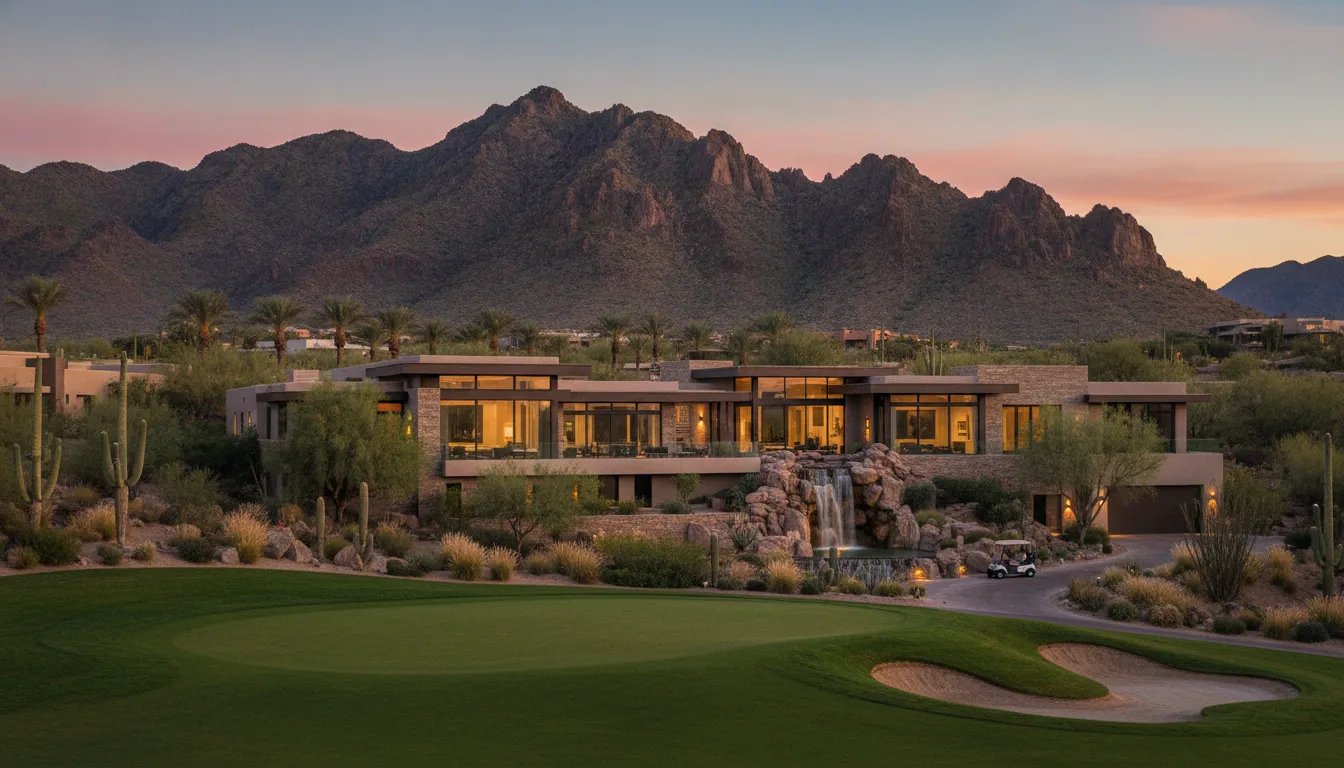
Lake Las Vegas golf setting near a luxury home

Outdoor views should be presented accurately and in context.
  1. Resolve condition issues first. Walk the home with a critical eye for deferred maintenance, worn finishes, lighting problems, landscape gaps, and items that distract from the architecture. Complete appropriate repairs, then deep-clean the interior, windows, patios, and pool areas. A pre-listing inspection may also help identify questions to address, subject to advice from your real estate professional.
  2. Confirm the property's defining position. Document whether the home is direct waterfront, lake-view, golf-adjacent, or primarily resort-oriented. Verify any statements about lake access, dock rights, golf relationships, memberships, views, or development context through the listing documents and applicable governing entities. Precision protects credibility.
  3. Prepare the view corridors. Open blinds, clean glass, trim selectively, and remove furniture or decor that blocks sightlines. Do not hide necessary privacy features or make improvements that conflict with community or architectural requirements. The goal is to show the view as buyers will experience it, not to create an inaccurate impression.
  4. Refine outdoor living areas. Set patios, terraces, pool areas, and entertaining spaces for their intended use. Replace tired cushions, simplify decor, and make sure lighting works. Keep the setting polished while allowing buyers to see circulation, privacy, shade, and maintenance needs.
  5. Stage with restraint. Edit personal items, reduce visual clutter, and arrange rooms around scale and function. A thoughtful staging plan can make a meaningful difference; review these luxury home staging strategies for additional preparation ideas.
  6. Build the visual plan. Once the home is ready, schedule professional photography and select the most useful tools for the property. Available capabilities may include 4K cinematic video, aerial imagery, twilight photography, Matterport 3D tours, floor plans, and virtual tours. These are options to match with the home's story, not automatic promises or substitutes for accurate preparation.
  7. Gather documents and showing details. Organize surveys, permits, warranties, utility information, HOA materials, architectural guidelines, assessments, and any records relevant to improvements or community requirements. Confirm showing instructions, access windows, security procedures, pets, alarm protocols, and preferred notice. A clear process helps protect privacy while keeping qualified buyers moving.

How Do You Price a Lake Las Vegas Property Without Overrelying on Averages?

Answer: Price from the property's exact position, condition, and buyer appeal, using recent comparable sales and current competing inventory. A broad Lake Las Vegas average can provide historical context, but it cannot account for the features that make one home materially different from another.

The first step is to define what the property actually offers. Direct waterfront, a lake view from selected rooms, golf adjacency, and a resort-oriented location are distinct selling positions. They should not be grouped together simply because all four may appeal to buyers seeking the Lake Las Vegas lifestyle. Confirm the home's access, view corridors, dock or boating rights, and relationship to nearby golf facilities through property records, governing documents, and other reliable sources. A community known for a privately owned 320-acre lake and two Nicklaus Design championship golf courses creates useful buyer-expectation context. But those community facts do not establish rights or amenities for an individual home.

Adjust for the details buyers can feel

A strong comparable analysis adjusts for more than square footage and bedroom count. Consider the direction and quality of the view, whether water or golf scenery is visible from the primary living areas. The usability of outdoor spaces, lot orientation, privacy, setbacks, and the relationship to roads or neighboring homes. A partial or seasonal view may attract a different buyer response than direct waterfront positioning.

Condition and improvements also matter. Carefully document renovated kitchens and baths, energy or comfort upgrades, outdoor living features, landscaping, pool work, smart-home systems, and the quality of finishes. The analysis should distinguish permitted, completed improvements from planned work, and should account for deferred maintenance that a buyer may price into an offer. HOA dues, assessments, architectural requirements, guard-gated access, membership terms, and rental rules can affect ownership costs and buyer eligibility. Verify each item rather than assuming that a nearby property has the same terms.

The customer knowledge base records a historical Lake Las Vegas lakefront average from 2025. But that figure is not a current valuation and does not identify a specific property type or feature set. Current pricing should instead be tested against the newest relevant closed sales, active competition, pending activity when available, days on market, and the home's likely buyer pool. A neighborhood-level review using current MLS data, price trends, absorption, and property-specific comparisons can show whether an initial position is attracting qualified attention without overcorrecting after limited feedback.

For a broader framework, review the steps to sell a luxury property, then build a pricing recommendation that can be explained, monitored, and refined as the market responds.

Which Lake Las Vegas Disclosures and HOA Records Should Sellers Gather?

Answer: Gather the property disclosure materials, utility and water information, title-related records, and current community documents before marketing begins. Then verify each detail with the HOA, title company, agent, and an appropriate qualified professional. A clean document set helps buyers understand what they are purchasing without turning assumptions about Lake Las Vegas into promises.

Lake Las Vegas waterfront home and community setting

Start with the home's known condition

Make a written list of known defects, past repairs, insurance claims, leaks, water intrusion. Flooding, mold, structural concerns, appliance issues, and other conditions that could affect a buyer's decision. Include permits, warranties, inspection reports, invoices, and service records when available. Nevada's required-disclosure framework is addressed in Nevada Revised Statutes Chapter 113. Sellers should review the requirements with their agent and qualified legal counsel rather than relying on a generic checklist.

For a home near the lake, do not assume that a water view, waterfront description, dock use, boat access, or shoreline privilege transfers with the property. Confirm the precise rights, restrictions, maintenance responsibilities, and boundaries in the title materials, recorded documents, and applicable community records. If a buyer may reasonably interpret a statement as an access or ownership claim, document the source before using it in marketing.

Request current community and HOA records

  • Current declaration, bylaws, rules, regulations, and architectural guidelines.
  • Regular assessments, special assessments, pending increases, notices, budgets, and reserve information.
  • Transfer fees, resale packages, application requirements, approval timelines, and buyer or seller charges.
  • Rental rules, leasing restrictions, minimum terms, guest policies, and any short-term-rental limitations.
  • Architectural approvals, exterior-change requirements, landscaping standards, and rules affecting docks, patios, fencing, or views.
  • Access rights, gates, roads, shared facilities, golf relationships, and membership terms, all verified for this specific property.

Many Lake Las Vegas properties are part of common-interest communities, so review the relevant provisions of Nevada Revised Statutes Chapter 116 with the professionals handling the transaction. Also ask whether there are pending development, construction, infrastructure, or assessment matters that could affect buyer expectations. Confirm water and sewer notices, service responsibilities, utility easements, and any private transfer fee questions through the title company, HOA, and applicable authorities.

Keep the final packet dated and separate confirmed facts from items still awaiting verification. This section is for general information only and is not legal advice. Requirements and community rules can change, so obtain transaction-specific guidance before making a disclosure or representation.

How Can Marketing Turn a Lake Las Vegas Setting Into Buyer Conviction?

The strongest marketing makes the property's exact relationship to the lake, golf, views, and resort setting immediately clear. Buyers should understand what is distinctive before they focus on room counts or finishes.

Begin with a visual plan that fits the property. Professional photography can establish the architecture, sightlines, outdoor living, and connection between interior and exterior spaces. Twilight photography may be useful when lighting, views, or pool areas are central to the home's appeal. Aerial imagery can show the property's setting and proximity to relevant amenities, but it should never imply lake access or golf rights that the property does not have.

For remote and international prospects, 4K cinematic video, floor plans, Matterport 3D tours, and virtual-reality tours can reduce uncertainty before an in-person visit. These tools are especially helpful when a home is being considered by an executive, relocating household, or buyer who values privacy. The asset plan should present the home accurately, including any limitations that a qualified buyer will discover during due diligence.

Distribution should match the seller's goals. A dedicated property page, MLS exposure, syndication, luxury-portal placement, email outreach, agent-to-agent promotion, social media, print, and private events can each serve a different audience. The right mix depends on the home's positioning, seller preferences, and the buyers most likely to value its attributes. No channel should replace a clear pricing strategy or careful qualification.

Lake Las Vegas is a residential and resort destination on a privately owned 320-acre lake, according to Travel Nevada. It is also associated with golf, dining, spas, lodging, and lake recreation. Those facts provide context, not a license to make broad promises. Marketing should describe the home itself, then place it within the community accurately.

For a broader framework, review this luxury property marketing strategy. Sellers can also compare the community context in this guide to Lake Las Vegas luxury community article.

Presentation should create confidence, not exaggeration. Every image, caption, and description should support the same verified property story.

Discuss a Lake Las Vegas sale strategy

What Should Sellers Expect From the Lake Las Vegas Sale Process?

Answer: A well-managed sale moves from property-specific strategy and preparation to targeted launch, informed feedback, careful offer evaluation, negotiation, due diligence, and closing. Each stage should reflect the home's exact setting, condition, documentation, and current comparable sales.

  1. Review the current market and define the strategy. Begin with neighborhood-level data, active competition, recent comparable sales, and buyer activity. A direct waterfront home should not be evaluated the same way as a lake-view, golf-adjacent, or resort-oriented property. The strategy should also account for improvements, view corridors, access claims, HOA context, and the seller's preferred timing.
  2. Position and prepare the property. Decide which features deserve emphasis and address presentation issues before photography. Confirm property records, community documents, and any details about access, memberships, assessments, architectural requirements, or rental rules that buyers may ask about.
  3. Launch with a coordinated presentation. Depending on the property and strategy, marketing may include professional photography, cinematic video, aerial context, twilight imagery. Floor plans, Matterport, a dedicated property page, MLS distribution, luxury portals, agent promotion, email, social media, print, or private events. The objective is not simply broad exposure. It is a clear, accurate story for the right buyer.
  4. Monitor showings and buyer feedback. Feedback can reveal whether buyers understand the home's positioning, pricing, condition, and setting. Review patterns rather than reacting to one isolated comment. If the response suggests confusion or friction, refine the presentation or strategy deliberately.
  5. Evaluate offers beyond the headline price. Compare financing strength, contingencies, requested inclusions, timing, appraisal risk, and the buyer's ability to perform. A strong offer is one that fits the seller's priorities and is supported by credible terms.
  6. Negotiate with the full transaction in view. Counteroffers should protect value while keeping the agreement workable. For a deeper discussion of this stage, see luxury sale negotiation. The seller's process should also be guided by a clear understanding of concessions and repair exposure.
  7. Complete due diligence and close. Once under contract, respond accurately to document requests, inspections, appraisal requirements, title work, HOA requirements, and agreed repairs or credits. Coordinate with the appropriate professionals through closing, while confirming that community and property representations remain accurate.

For a broader overview of steps to sell a luxury property, sellers can use this sequence as a planning framework, then adapt it to the home's specific Lake Las Vegas circumstances.

Frequently Asked Questions

How should I position a waterfront home versus a lake-view property?

Describe the home's verified relationship to the water with precision. Direct waterfront, lake-view, golf-adjacent, and resort-oriented homes appeal to different buyers and should not be marketed interchangeably. Confirm any dock, shoreline, access, view-corridor, or use rights through the property documents and applicable governing entities before making them part of the listing story.

How is the right asking price determined for a Lake Las Vegas property?

Pricing should reflect current comparable sales and the home's exact position, condition, improvements, outdoor spaces, views, access, HOA context, and buyer fit. A neighborhood average alone can obscure meaningful differences between a waterfront residence and a home with a partial lake view. Review the evidence with a specialist who monitors current Lake Las Vegas activity and can explain each adjustment.

Which disclosures and HOA records should I gather before listing?

Gather known property-condition information, seller disclosures, governing documents, current assessments, transfer requirements, architectural guidelines, and any records affecting access, memberships, rentals, or development. Nevada's disclosure framework is addressed in NRS 113, while common-interest-community matters are addressed in NRS 116. This is not legal advice; consult your agent and a qualified professional for transaction-specific guidance.

What marketing helps a Lake Las Vegas luxury listing stand out?

Lead with an accurate visual story that connects the home to its setting. Depending on the property and strategy, that may include professional photography, cinematic video, aerial and twilight imagery, floor plans. Matterport or virtual tours, a dedicated property page, MLS and portal distribution, email, agent promotion, social media, print, or private events. Select channels around the home's buyer profile and your preferred level of discretion.

Ready to Discuss Your Lake Las Vegas Sale Strategy?

Selling a luxury property in Lake Las Vegas starts with understanding how its exact setting, presentation, documentation, and buyer fit shape the plan. A property-specific conversation can help you organize the right questions before choosing a pricing and marketing approach. Contact Luxury Homes of Henderson to discuss a Lake Las Vegas sale strategy tailored to your property and priorities.

Work With Us

It is the mission of The Gaffords and their Team to consistently provide the highest quality, most innovative, and exceptional real estate service available anywhere in the Las Vegas Valley, and surrounding areas. Our client’s needs always come first.

Follow Us on Instagram