Selling a distinctive home in Green Valley, Las Vegas, requires more than a polished listing and a familiar neighborhood name. Buyers need a clear reason to choose your property over other Henderson options. A strong seller strategy connects location, lifestyle, architecture, improvements, and buyer fit into one credible story. This Green Valley Las Vegas guide focuses on that positioning work, from preparing evidence to handling objections and choosing presentation details that help qualified buyers understand value.
Schedule a Green Valley luxury home positioning consultation with Luxury Homes of Henderson
Why does positioning matter for Green Valley Las Vegas sellers?
Positioning gives buyers a practical way to understand why your home deserves attention, a showing, and a serious offer. Green Valley includes varied settings, home styles, and lifestyle priorities. A listing that describes only square footage and finishes leaves value unexplained. A focused narrative shows how the property fits a particular buyer's daily life, standards, and expectations.
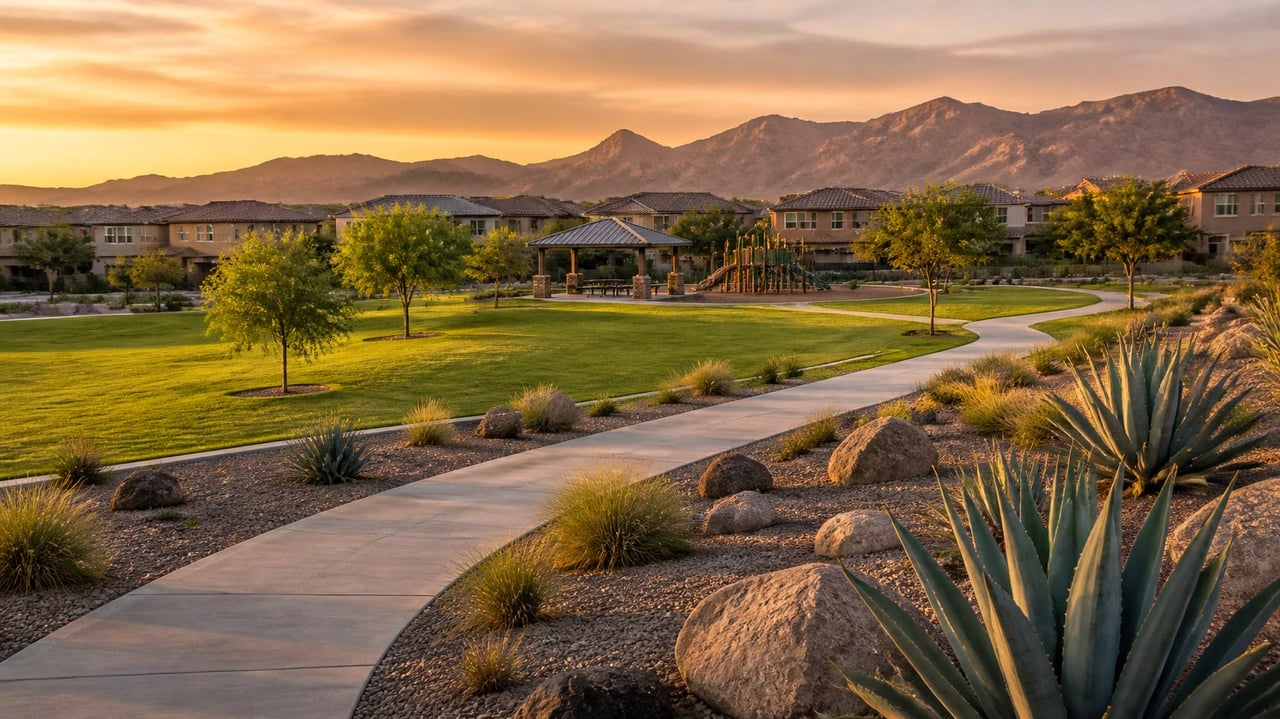
Green Valley is not one uniform buyer market. Green Valley Ranch, Green Valley South, established custom-home pockets, golf-oriented streets, and nearby luxury enclaves attract different priorities. Some buyers value access to The District at Green Valley Ranch. Others care more about privacy, outdoor living, a flexible floor plan, or a mature landscape.
Your first task is to identify the home's strongest combination of setting and experience. That combination should guide every later choice, including photography, showing sequence, feature descriptions, and buyer follow-up. It should also keep the listing from sounding like a generic Henderson home advertisement.
For broad context, compare current conditions with the Green Valley luxury real estate market trends guide. Use market information as context, not as a substitute for property-specific positioning.
What buyer fit should your Green Valley listing story communicate?
The best listing story identifies who will value the home most and then connects its features to that buyer's likely priorities. Buyer fit is not a demographic label. It is a practical explanation of how the home supports a lifestyle, a work pattern, a level of privacy, or a preferred way to host and relax.
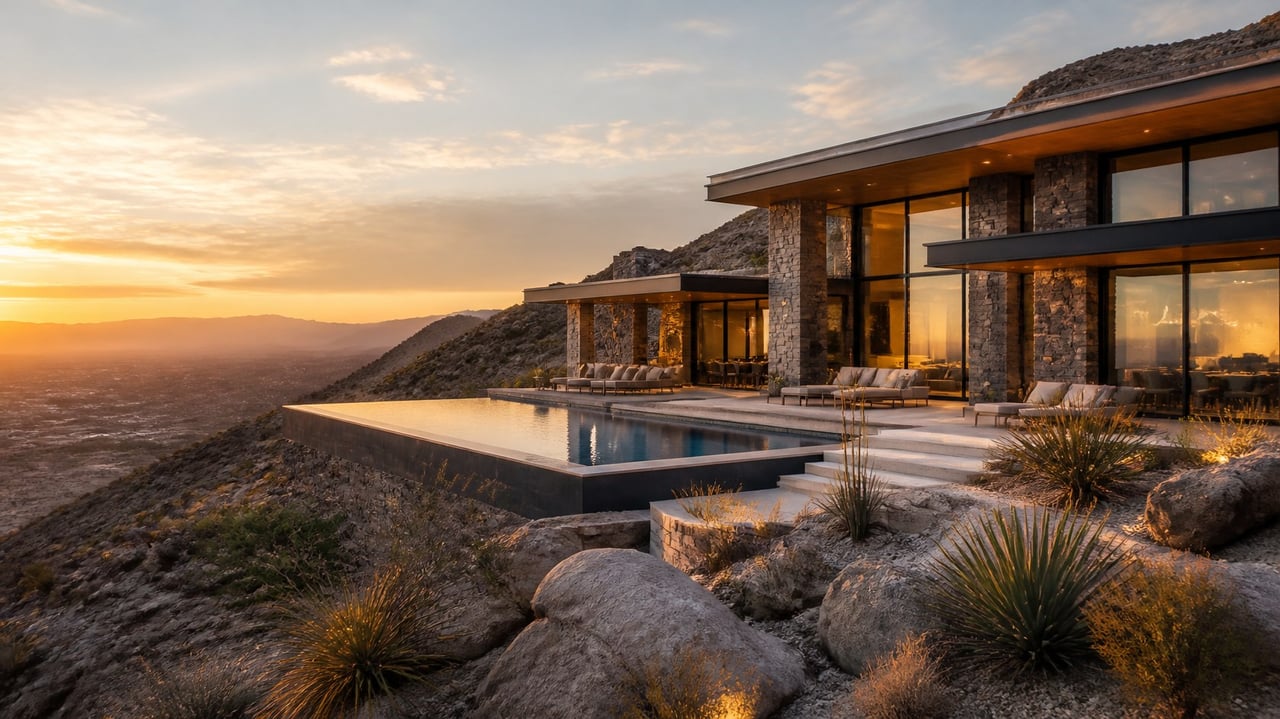
Start with the experience the property makes possible. A home with an open great room, outdoor kitchen, and mountain outlook may appeal to owners who entertain often. A quiet residence with separated suites may better fit a buyer seeking privacy for guests, family, or work.
Property signal | Buyer fit to consider | Evidence to prepare |
|---|---|---|
Flexible office or guest suite | Remote executive, multigenerational household, or frequent guests | Floor-plan location, privacy, storage, and access details |
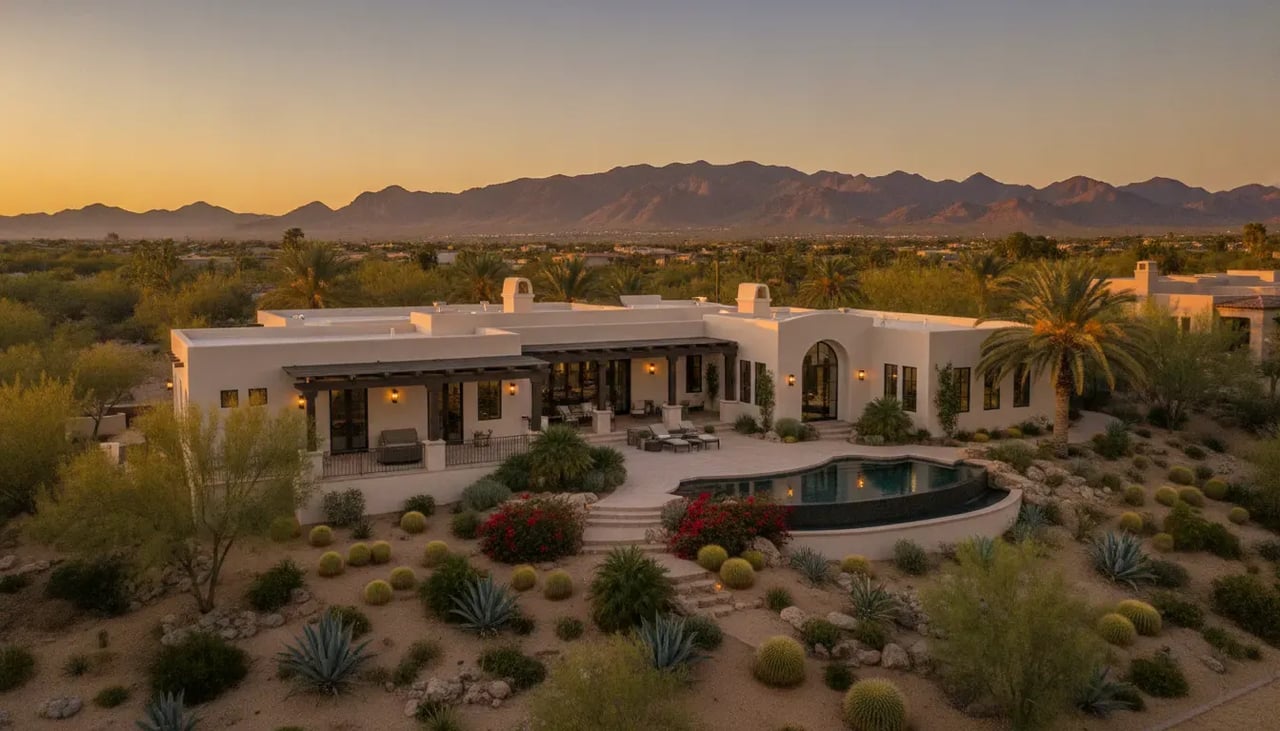
Pool, patio, and outdoor kitchen | Entertainer, second-home owner, or indoor-outdoor lifestyle buyer | Seasonal use, shade, equipment records, and maintenance history |
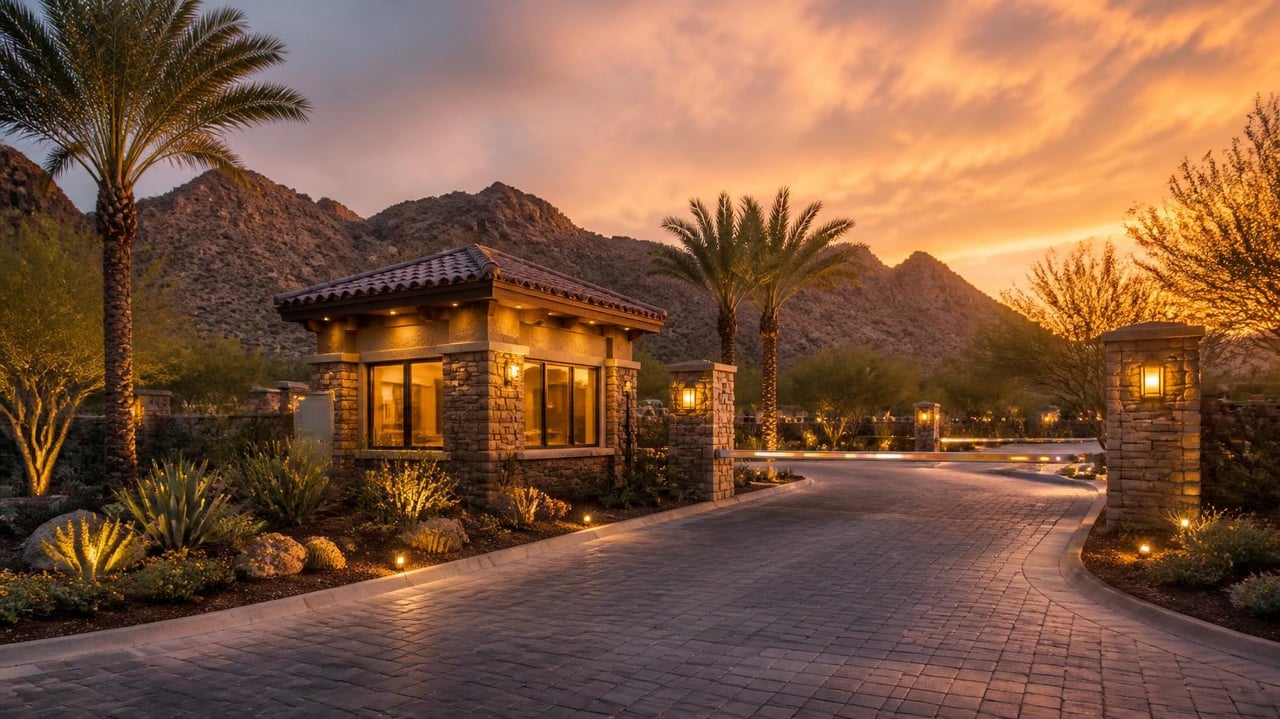
Gated or private setting | Buyer prioritizing discretion, quiet, and controlled access | Community rules, access process, and any association documents |
Custom finishes and renovations | Design-focused buyer who values craftsmanship | Completion dates, contractor records, material details, and warranties |
Proximity to amenities | Buyer seeking convenience without giving up a refined setting | Accurate location descriptions and verified travel estimates |
Low-maintenance desert landscaping | Relocator or second-home owner seeking easier ownership | Landscape plan, irrigation records, and recurring service details |
These profiles can overlap. The point is not to limit the audience. The point is to make the home's strongest use case easy to recognize without overstating what the property offers.
How should you address the first buyer objections?
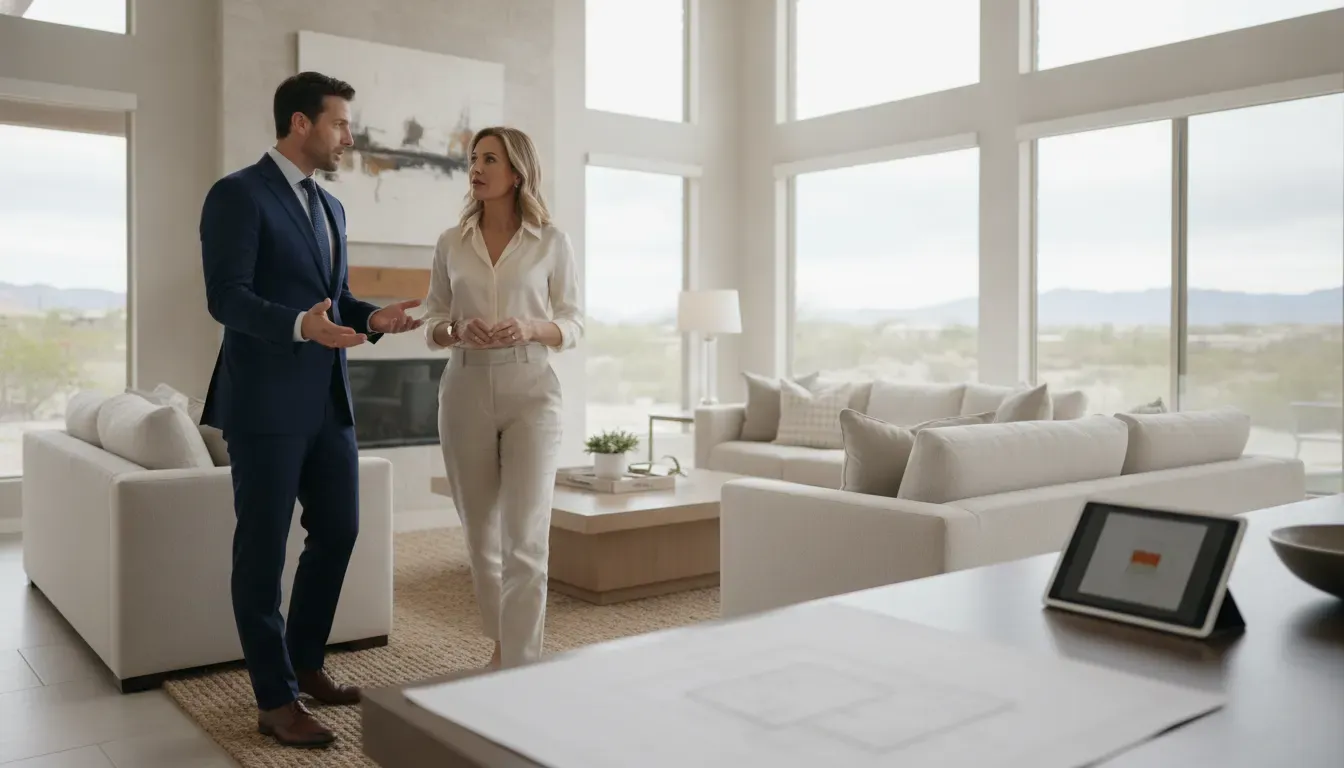
Prepare for objections before launch by separating a buyer's real concern from the question they first ask. A question about price may reflect uncertainty about maintenance, a dated feature, a floor plan, or the credibility of the marketing. Your response should be specific, calm, and supported by information the buyer can evaluate.
Is the home worth the premium?
Buyers compare more than finished square footage. They look at setting, scale, design quality, upkeep, updates, privacy, and the experience of owning the property. Prepare a concise feature record that explains what is distinctive, when work was completed, and which documents support the description.
A premium claim becomes stronger when it is concrete. Instead of calling a room impressive, explain its ceiling height, sightline, natural light, seating capacity, or connection to the patio. Avoid promising a specific return for any improvement. Let the evidence support the conversation.
How much upkeep does the property require?
Luxury buyers often ask about ownership effort as carefully as they ask about design. Gather information on pool equipment, HVAC service, roofing, landscaping, smart-home systems, solar equipment, and warranties. A clean ownership file can reduce uncertainty and help a buyer understand the home's ongoing responsibilities.
If a feature requires specialized care, describe that honestly. Clear information protects the seller's credibility and gives serious buyers a reason to continue their evaluation.
Does the layout fit the buyer's daily life?
Floor plans can look attractive online while still creating practical questions. Explain how the bedrooms relate to living areas, where guests enter, how workspaces are separated, and whether outdoor areas connect naturally to the interior. The showing sequence should reinforce those answers.
Use the luxury home appraisal guide when organizing property details for a value discussion. Appraisal support and buyer-facing storytelling serve different purposes, but both benefit from accurate records.
Which presentation choices make a Green Valley home easier to evaluate?
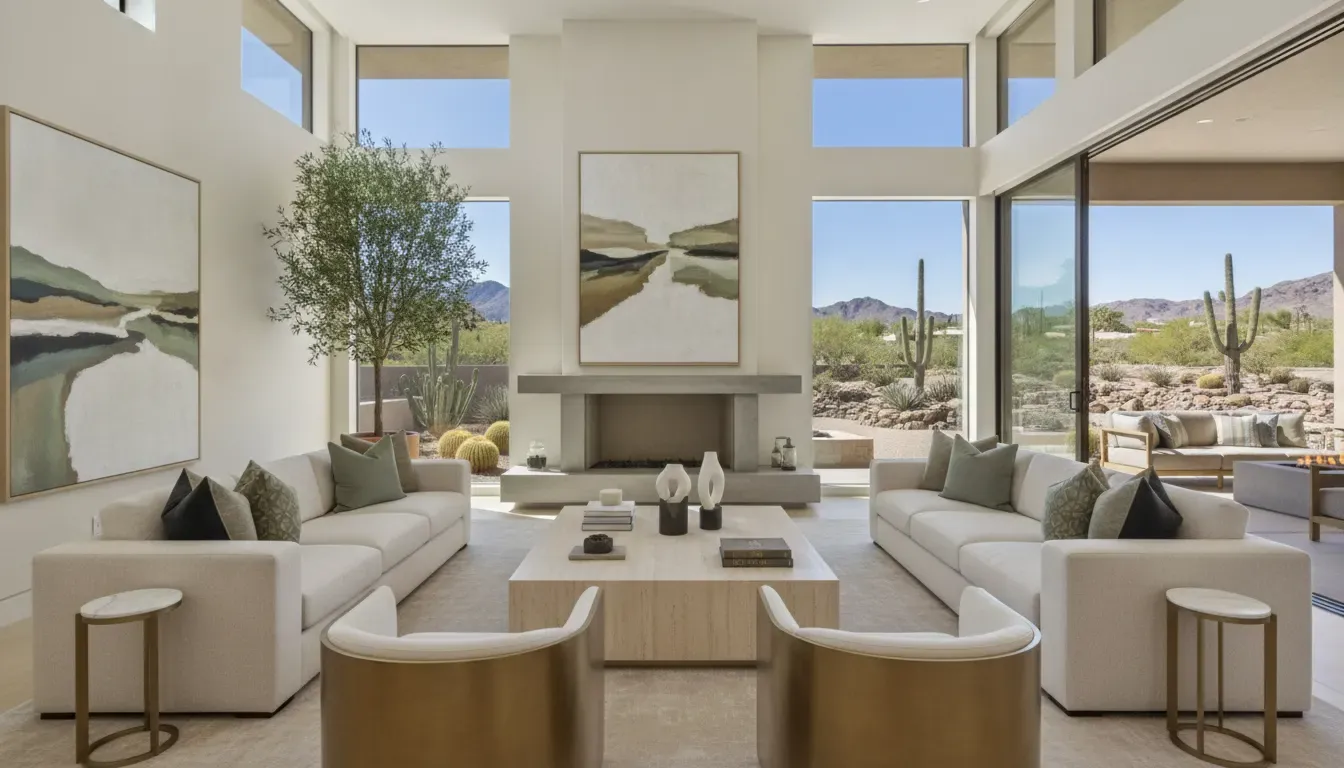
Presentation should make the property's best qualities obvious without asking buyers to decode crowded rooms, vague claims, or inconsistent visuals. In Green Valley, the strongest presentation often balances architecture with the surrounding lifestyle. Show the home's proportions, views, outdoor spaces, and material quality in a sequence that feels intentional.
- Clarify the arrival experience. Remove visual distractions and make the approach feel deliberate from the street or gate.
- Show scale early. Use wide, balanced photography to establish how living areas connect before moving into detail shots.
- Use light honestly. Photograph rooms at times that reveal their real orientation and strongest natural light.
- Connect interior and exterior spaces. Show how patios, pools, courtyards, and views function with the main living areas.
- Explain distinctive materials. Identify stone, millwork, appliances, fixtures, and renovation details with accurate descriptions.
- Remove competing messages. Keep captions, room names, and feature claims consistent across the listing, brochure, video, and private showing materials.
Professional photography should serve the strategy rather than create a separate version of the home. A dramatic image is useful when it clarifies a meaningful feature. It is less useful when it hides room relationships or creates expectations the showing cannot meet.
Request a Green Valley listing presentation plan built around your property's strongest buyer fit
How should upgrades be translated into credible value?
Upgrades create more value in a listing when buyers can understand their quality, timing, purpose, and ownership benefit. A long improvement list can overwhelm readers. Group the work into themes that match buyer decisions, such as comfort, entertaining, privacy, efficiency, design, or resilience.
For each major improvement, assemble four facts:
- What changed, including the room, system, or outdoor area affected.
- When the work was completed and whether it was part of a larger project.
- Which materials, brands, contractors, permits, or warranties can be documented.
- How the improvement changes daily use, maintenance, comfort, or presentation.
This approach helps a buyer compare meaningful differences. It also prevents the listing from treating every recent purchase as a premium feature. A new fixture may be attractive, but a documented system replacement can matter more to a buyer evaluating ownership risk.
When the home includes smart technology, describe the experience first. Explain what the system controls, how it is used, and what support or transfer information exists. Do not claim universal compatibility or energy savings without documentation.
For staging decisions, use the Henderson luxury home staging guide as a companion resource. The new positioning guide goes further by connecting presentation choices to Green Valley buyer fit.
What listing strategy fits a Green Valley property?
A strong listing strategy aligns price context, presentation, exposure, and feedback before the home reaches the market. The right sequence depends on the property, its condition, its setting, and the likely buyer. Sellers should decide what must be proven before launch, what can be refined after feedback, and which information belongs in private conversations.
1. Build the property evidence file
Collect surveys, floor plans, improvement records, warranties, utility information, association documents, and relevant permits. Confirm that the facts used in marketing match the records available for review.
2. Select meaningful comparables
Comparable homes should share more than a ZIP code. Consider setting, finish, lot characteristics, renovation quality, outdoor amenities, and buyer expectations. A broad neighborhood average cannot explain every premium property.
3. Decide what belongs in the public story
Lead with features that help the right buyer self-select. Hold sensitive details, security information, and extensive documentation for appropriate private conversations.
4. Plan the exposure sequence
Coordinate photography, video, property materials, agent outreach, digital distribution, and showings. The message should remain consistent whether a buyer sees the home online or in person.
5. Set a review rhythm
Agree in advance on how feedback, showing activity, competing inventory, and buyer questions will be reviewed. A measured process is better than changing the story after every individual comment.
The Gafford Group luxury marketing overview describes the breadth of a high-end campaign. Your property strategy should still be customized. Distribution alone cannot replace a clear positioning decision.
What should Green Valley sellers prepare before speaking with an agent?
Preparation makes the first strategy meeting more productive because the conversation can focus on buyer fit, evidence, timing, and presentation instead of basic fact collection. You do not need a finished marketing plan before reaching out. You do need an honest view of the home's condition, improvements, ownership story, and preferred level of privacy.
- Write down the home's three strongest lifestyle advantages.
- List major improvements with approximate completion dates and available records.
- Note features that may create buyer questions, including age, maintenance, or layout concerns.
- Gather floor plans, warranties, service records, and association information.
- Identify privacy requirements for photography, showings, staff, or public exposure.
- Review which Green Valley settings and amenities genuinely define the home's appeal.
- Decide what a successful sale process should feel like for your household.
Bring these notes to a conversation with a specialist who understands Henderson's luxury market. The goal is not to force the home into a template. It is to develop a precise, defensible story that gives qualified buyers a reason to engage.
For related seller planning, review the Henderson luxury seller's market guide, the pre-listing inspection guide, and the luxury home negotiation guide. If your home has an especially important pool or outdoor-living component, see the Henderson pool-home seller guide. Homes with multiple interested buyers may also benefit from the multiple-offer seller playbook.
Contact Luxury Homes of Henderson to discuss a tailored Green Valley Las Vegas seller strategy
Frequently Asked Questions
What makes Green Valley attractive to luxury home buyers?
Green Valley offers varied residential settings, mature landscaping, nearby dining and shopping, outdoor-living opportunities, and access to Henderson amenities. The right selling story should focus on the specific combination of lifestyle and property features that matters most for the home.
How should I describe upgrades in a Green Valley listing?
Group upgrades by buyer benefit, then support each important claim with completion details, materials, records, warranties, or service history. Specific evidence is more persuasive than a long list of broad adjectives.
Should every Green Valley luxury home use the same marketing approach?
No. A custom home, golf-oriented property, private residence, and updated entertainer's home may attract different buyers. The marketing sequence should reflect the home's setting, condition, privacy needs, and strongest use case.
When should a Green Valley homeowner begin preparing to sell?
Begin when you are ready to evaluate condition, records, presentation, pricing context, and timing. An early review can identify repairs, documentation gaps, and photography decisions before the listing launch date is fixed.